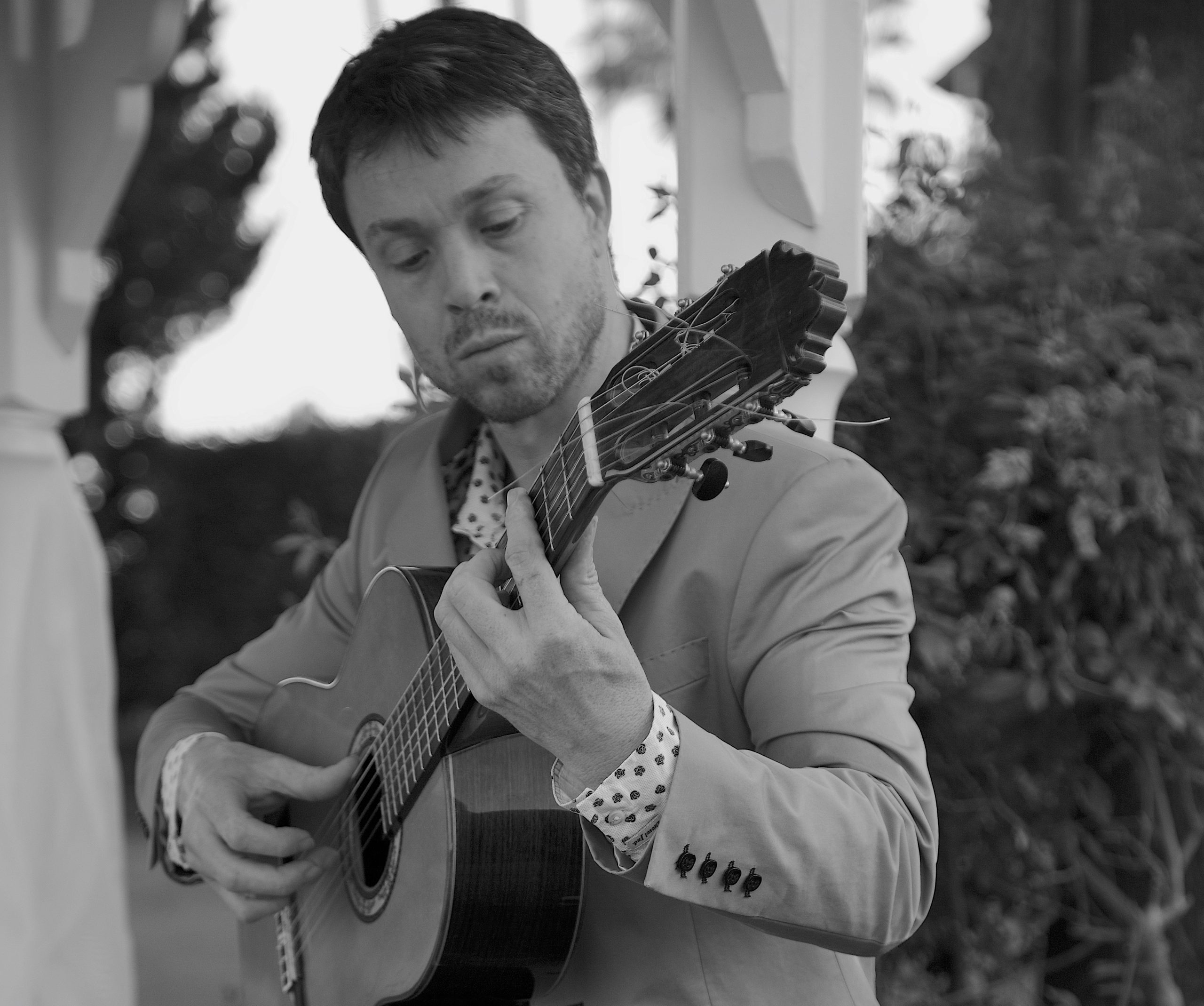
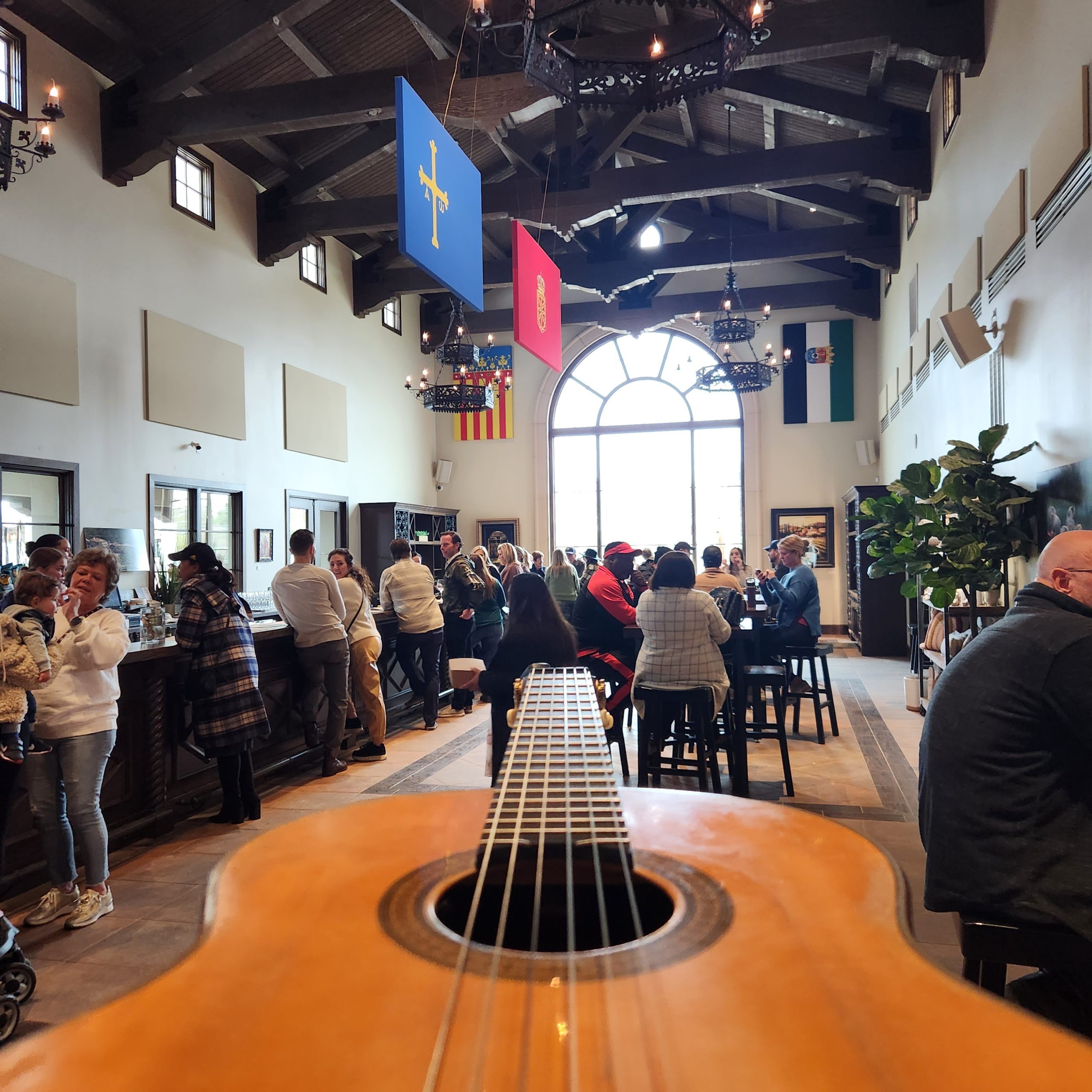
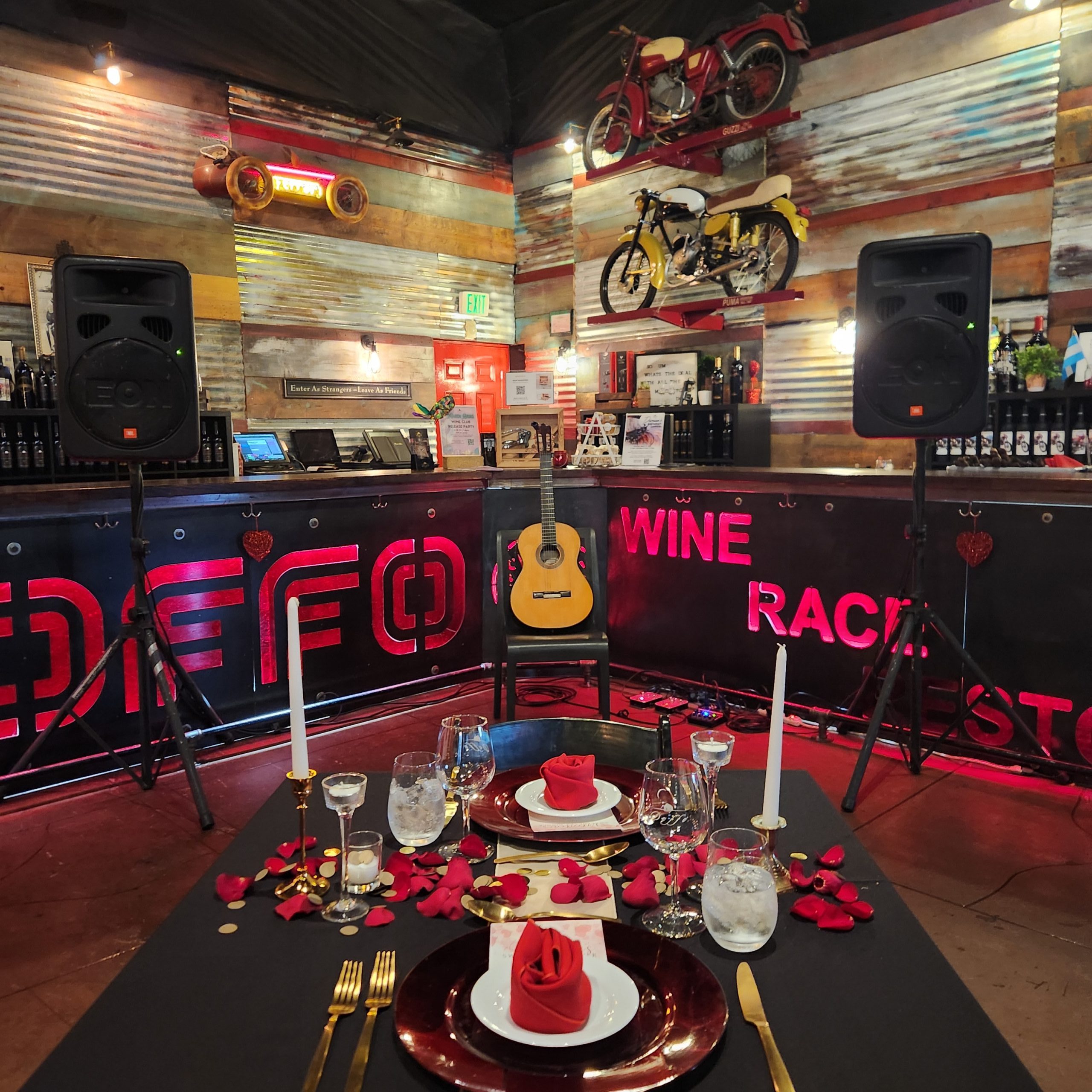
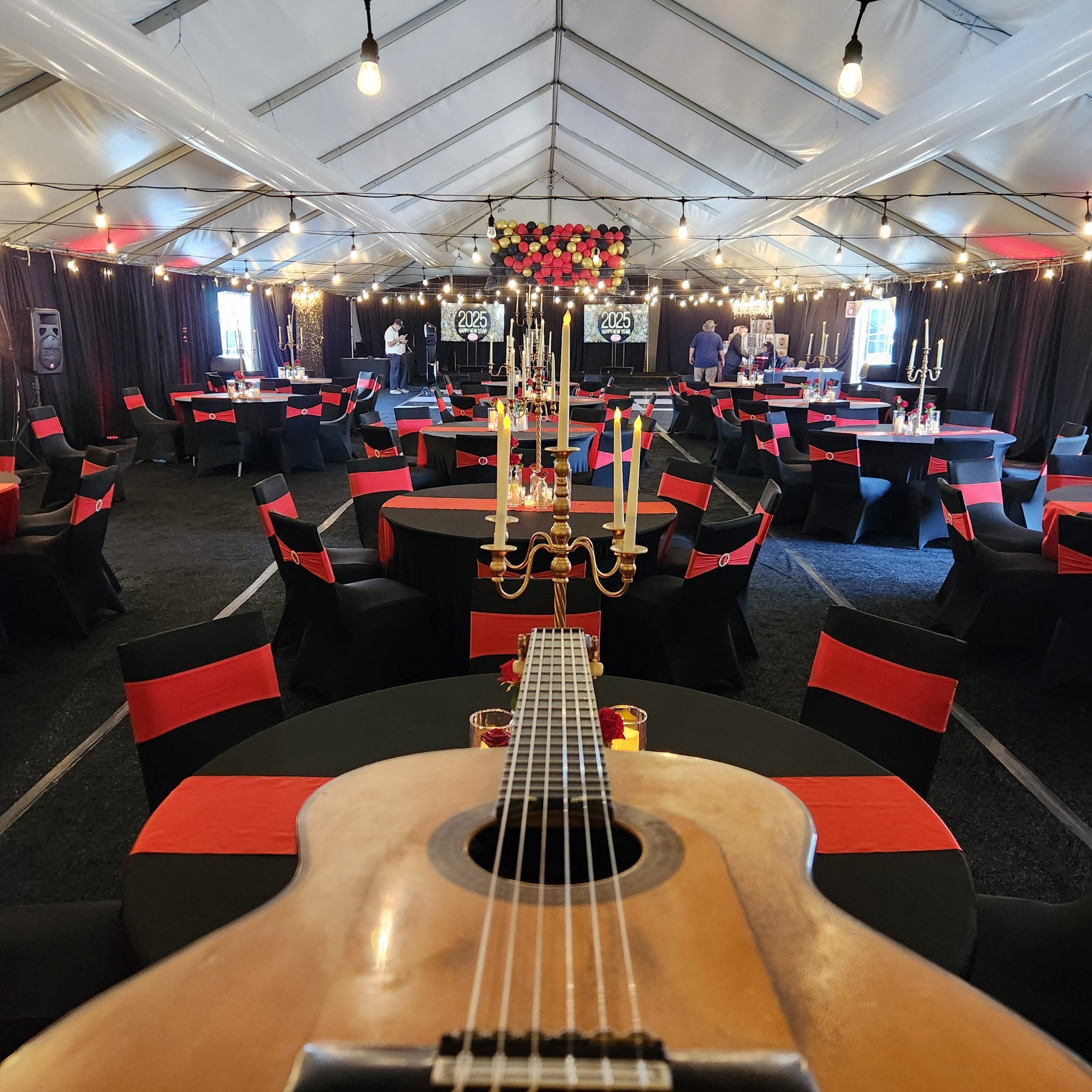
The question of classical vs flamenco guitar comes up on almost every planning call I have with couples who love Spanish music. The two styles share a homeland and a family of instruments, but one is calm and lyrical while the other is fiery and rhythmic. As LA Acoustic, I play both at weddings, dinners and parties across Southern California, and in this guide I explain the real differences in plain language and show you how to use each one at the right moment.
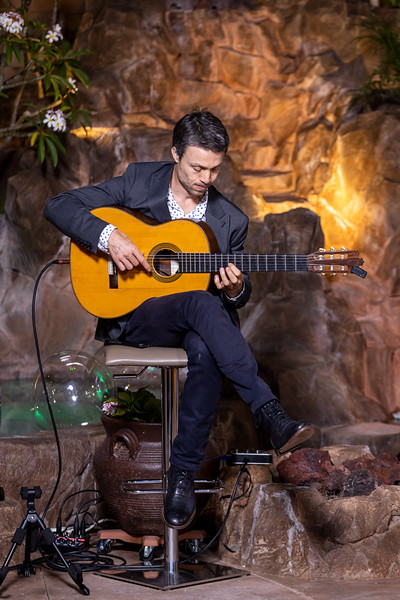
Same Roots, Different Personalities
Both styles grew up in Spain. The modern classical guitar took shape in the nineteenth century and became a concert instrument through composers and performers who wrote for it as seriously as for the piano. Flamenco guitar grew from the music and dance traditions of Andalusia, where the guitar accompanied singers and dancers and developed its own techniques. Flamenco is now recognised by UNESCO as part of the Intangible Cultural Heritage of Humanity.
Because of that shared history, the two styles often meet in the middle. Much of the Spanish repertoire that event guests love, from romantic melodies to rumba, borrows from both.
How the Instruments Differ
To a casual eye, a classical guitar and a flamenco guitar look almost identical. Both use nylon strings and have a similar shape. The differences are in the details, and they change the sound.
| Feature | Classical guitar | Flamenco guitar |
|---|---|---|
| Traditional woods | Spruce or cedar top with rosewood back and sides | Spruce top with lighter cypress back and sides |
| Tone | Warm, round and sustained | Bright, crisp and punchy, with a quicker decay |
| String height | Higher, for a full singing tone | Lower, for speed and percussive attack |
| Tap plate | Usually none | A clear golpeador protects the top from finger taps |
| Main techniques | Arpeggios, tremolo, legato melodies | Rasgueado strums, picado runs, golpe taps |
| Musical feel | Lyrical and reflective | Rhythmic, passionate and driving |
How the Playing Styles Differ
Classical technique
Classical guitarists aim for a beautiful, even tone. They use flowing arpeggios, careful voice-leading and techniques such as tremolo, which makes a single melody note seem to ring continuously. The music breathes; there is room for silence and expression. That is why classical guitar suits the most emotional moments of a wedding.
Flamenco technique
Flamenco playing is built on rhythm. Rasgueado is a rolling, fan-like strum using each finger in turn. Picado is a rapid, single-note run. Golpe is a tap on the top of the guitar that adds percussion. Everything sits inside a rhythmic cycle called compás, which is why flamenco feels so alive and makes guests tap their feet.
What Event Guests Actually Hear
A full traditional flamenco performance includes a singer, a dancer and palmas, the rhythmic hand-clapping, with the guitar at the centre. That is wonderful on a theatre stage, but most event hosts are not asking for it. When couples tell me they want "flamenco" at their wedding, they almost always mean the passionate, rhythmic sound of Spanish guitar: rumba, Andalusian-flavoured melodies and the energy of a Spanish fiesta, played by one guitarist while guests talk and drink. That is what I bring to events. If you want to understand the wider Spanish guitar world, my page on hiring a Spanish guitarist in Southern California and my guide to booking a flamenco acoustic guitarist explain it in more depth.
Where Classical Belongs in Your Event
- The ceremony: the prelude, the processional and any reflective moment such as a unity candle or signing.
- Formal dinners: classical pieces never compete with conversation and suit elegant settings.
- Speeches and toasts: a quiet classical piece fades out naturally when a speaker stands.
- Church or chapel weddings: classical repertoire fits traditional expectations.
Where Flamenco Belongs in Your Event
- Cocktail hour: the rhythm lifts the energy just as guests are ready to celebrate.
- Spanish, Mexican or Mediterranean-themed parties: nothing sets the scene faster.
- The recessional: a fiery Spanish piece as you walk back up the aisle is unforgettable.
- Birthday and anniversary dinners: it adds drama and fun without needing a dance floor.
Combining Both in One Booking
Because one guitarist plays both styles, you do not have to choose. A typical Spanish-influenced wedding with me looks like this:
- Classical Spanish pieces as guests take their seats.
- A classical processional, with a romantic piece such as Spanish Romance for the main entrance.
- A rhythmic, flamenco-flavoured recessional to send everyone off smiling.
- Rumba and Spanish guitar for cocktail hour, shifting to softer classical and bossa nova for dinner.
Orange County couples in particular love this combination; you can read more on my flamenco guitarist in Orange County page.
Pieces That Bridge Both Worlds
Some of the most loved Spanish guitar music sits right between classical and flamenco. Composers such as Isaac Albéniz and Enrique Granados wrote piano works full of Andalusian colour that guitarists later adapted, and Francisco Tárrega's Recuerdos de la Alhambra uses classical tremolo to evoke the Moorish palace in Granada. These pieces are perfect when you want Spanish passion with classical grace, for example during a sunset ceremony or a candlelit dinner.
Choosing Spanish Music That Fits Your Venue
The setting can help you decide how much flamenco to include. A Spanish-colonial courtyard, a mission-style chapel, a hacienda with terracotta tiles or a wine estate with stone walls all invite flamenco-style guitar, because the music matches what guests see around them. Modern ballrooms, rooftop bars and minimalist venues often suit a lighter touch: classical pieces and bossa nova with a few Spanish highlights. Beach venues sit in between. The breeze and the sea suit romantic Spanish melodies, while full rhythmic rasgueado can feel too intense for an open shoreline. On our call I ask about the venue first, because it usually answers half of the classical-versus-flamenco question before we talk about a single song.
A Note on Respecting the Tradition
Flamenco is a living art form with deep roots in Andalusian culture, and I treat it with respect. At events, I present flamenco-influenced guitar as what it is: a guitarist's tribute to the style's rhythm and passion, not a staged imitation of a tablao show. If you want a fully traditional performance with a singer and dancer for a cultural celebration, tell me early. I am glad to talk about how live guitar can fit around it.
Does It Change the Price?
No. Whether you want classical, flamenco-style or a mix, my fee depends on how long I play and where. Expect roughly $400–$700 for a ceremony with its prelude, rising toward $1,500 for a day that runs through dinner. My sound system, setup and the planning call are part of every figure. See the details in my Southern California guitarist pricing guide.
How to Decide
Think about the feeling you want at each point of the day. Calm and emotional moments suit classical guitar. Social, celebratory moments suit flamenco-style Spanish guitar. If you are not sure, tell me about your venue and guests and I will suggest the right balance. You can hear both styles in my gallery, learn more about me, or go straight to checking your date. For more on classical repertoire specifically, read how to hire a classical guitarist.